CookTwo
A plan built for two different eaters
A Treatment plan starts with two profiles, not one. Each partner records how they eat — vegetarian, omnivore, lighter serves, training-size serves, or anything in between — and CookTwo treats the pair as the unit it plans for. The week is then designed around shared cooking: dinners both of you will sit down to, with the differences handled at plating time instead of doubling the work.
Every dinner in the plan follows the same rhythm. One base recipe that works for the whole table — a tray bake, a stir-fry, tacos, a curry — plus two plating cues that tune it per partner. More protein here, plant swap there, a lighter scoop for one and a training portion for the other. Nobody gets a sad side-salad while the other eats the real dinner, and nobody cooks twice.
The plan also learns your household's pace. Three to five dinners a week is the sweet spot most couples land on, with leftovers and easy nights filling the gaps — and because the plan knows what is in your pantry, it leans on ingredients you have already bought before suggesting anything new.
Pantry AI Generation is included
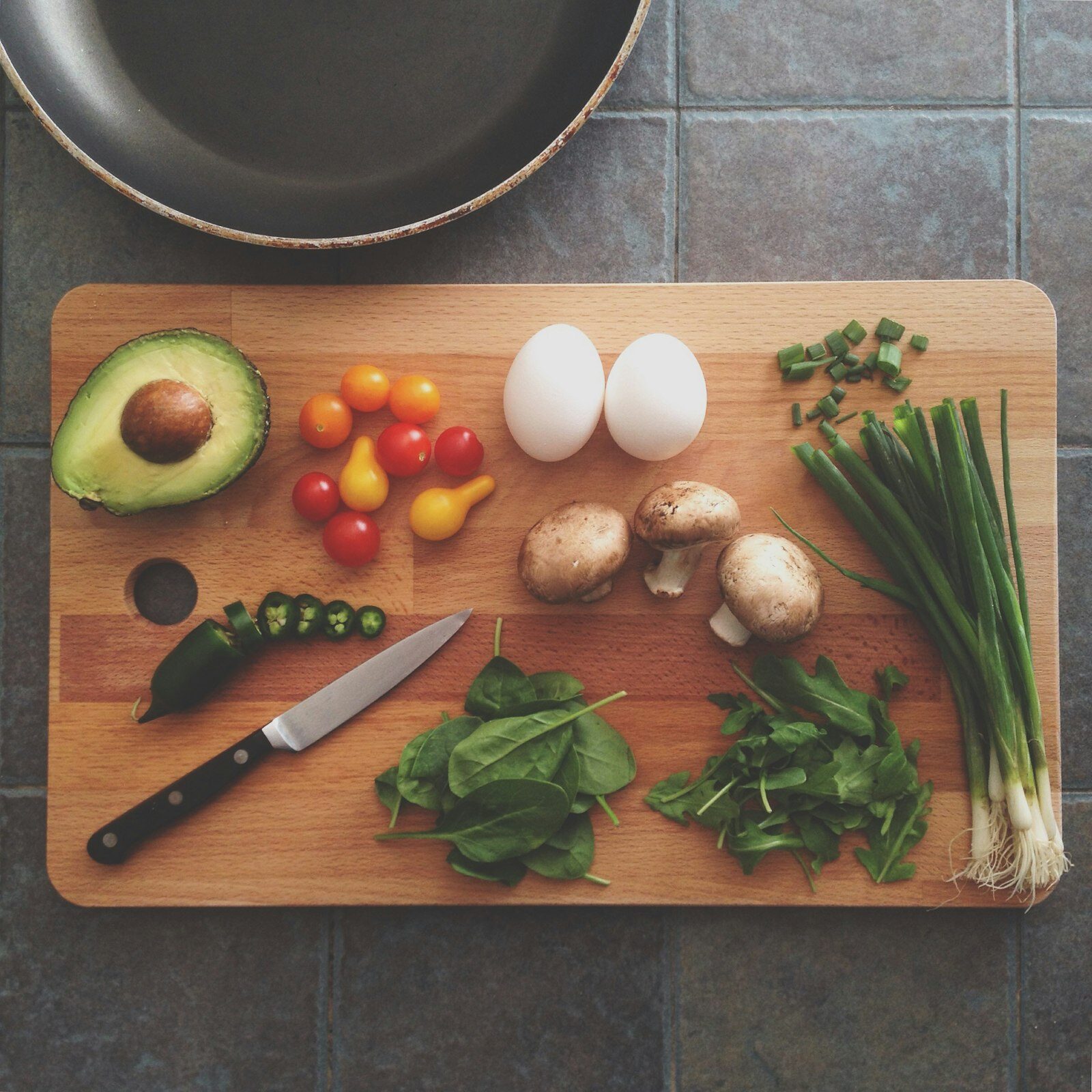
Every Treatment plan includes Pantry AI Generation — the feature that sets CookTwo apart. Instead of starting the week with a blank page and a long shopping list, you start from what is already in the kitchen. Tell the app what is on the bench and in the cupboards, and it suggests dinners you can cook tonight, already adapted for two different plates.
This is where the savings quietly stack up. Fewer top-up shops mid-week, less food wasted at the back of the fridge, and faster weeknights because the question is never "what can we possibly make?" — it is "which of these three do we feel like?" The pantry stops being a graveyard of good intentions and becomes the starting point of dinner.
One shared Grocery List, synced live
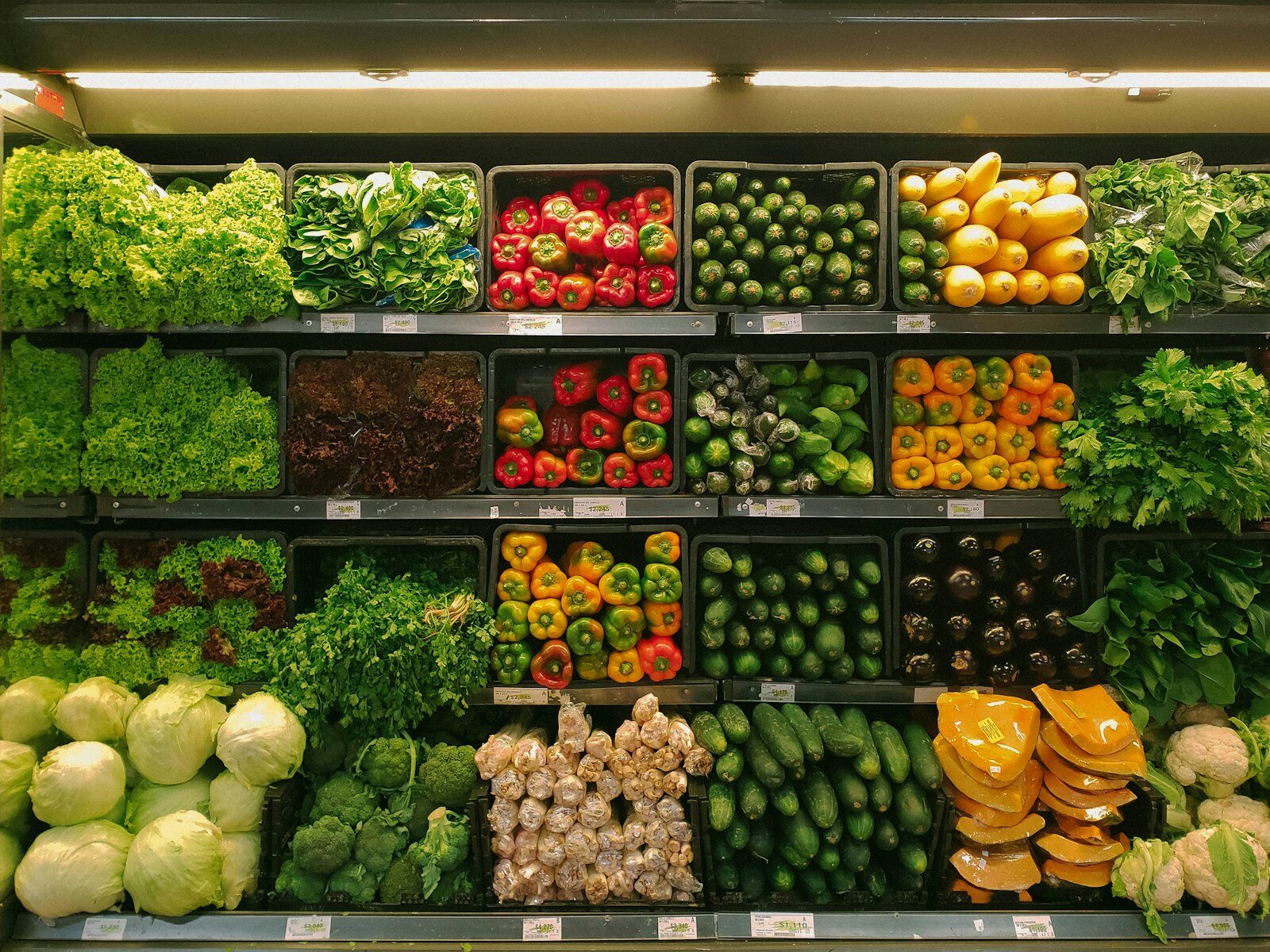
The second half of every Treatment plan is the shared Grocery List. Once the week's dinners are picked, the ingredients collapse into a single organised list that lives on both phones at once. Either partner can add the oat milk, either partner can tick off the tomatoes in the aisle, and there is never a second "did you get the…?" trip.
Because the list is generated from the plan, it only contains what the week actually needs — no aspirational kale rotting by Friday. And when plans change mid-week, the list updates on both phones instantly, so the shop always matches the current truth rather than Monday's intentions.