 CookTwo
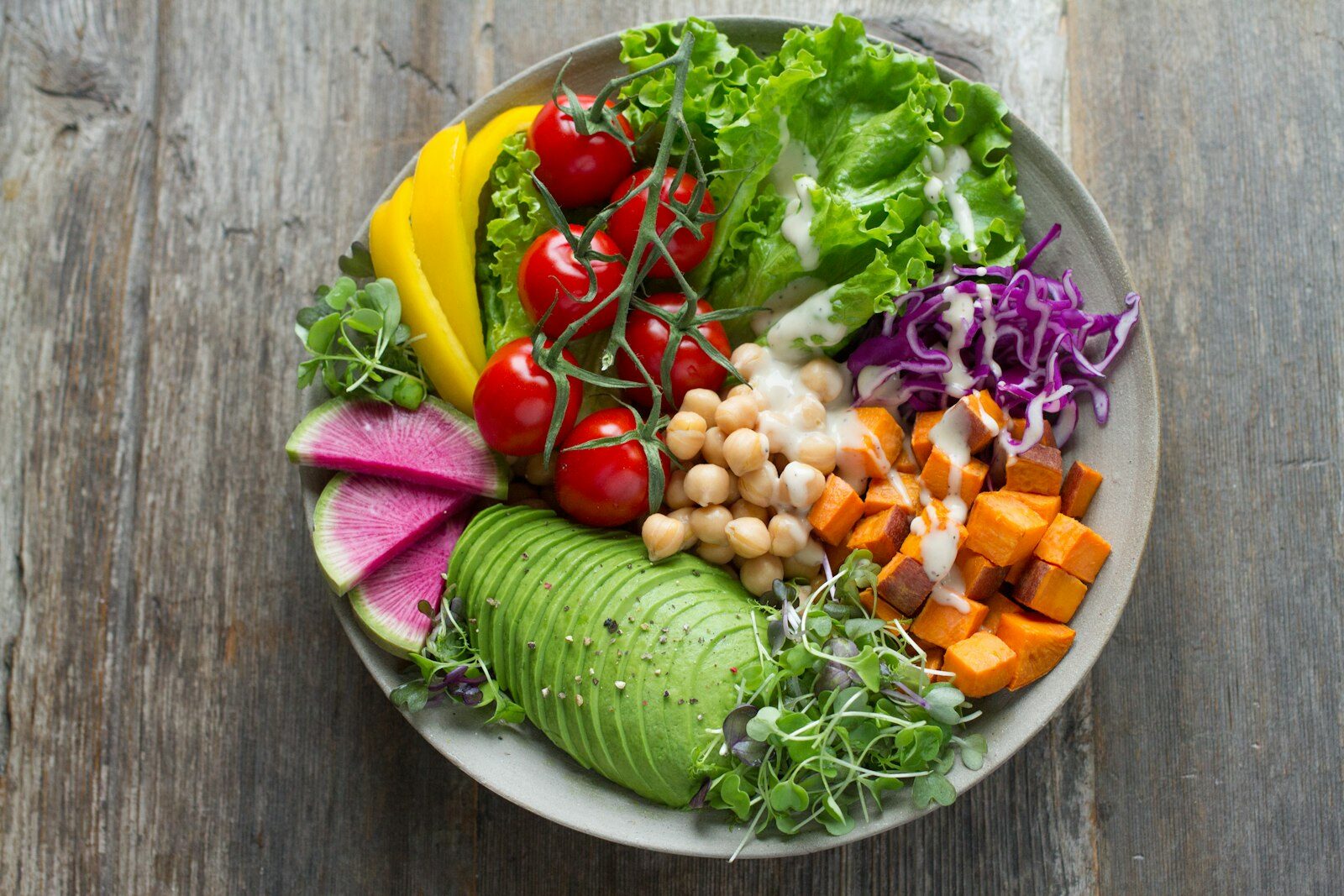
Every couple with different diets knows the 6pm negotiation. One of you is training and needs a serious plate of protein. The other eats vegetarian and wants nothing to do with chicken breast. The compromise options are all bad: cook two separate dinners and double the dishes, eat the same bland middle ground that suits nobody, or take turns compromising and keep a quiet score of whose turn it was.
CookTwo's answer is the two-plate method: one shared recipe, cooked once, with two plating cues that tune each plate to its eater. It sounds almost too simple, which is exactly why it survives contact with real weeknights. Here is how it works in practice.
Cook the base once
Start with a base that works for the whole table — a tray bake of roast vegetables and grains, a stir-fry sauce with rice, taco fillings, a curry. The base is deliberately neutral territory: satisfying on its own, and designed to carry whatever each partner adds. This is the one thing the kitchen cooks, and it is the only thing that takes real time.
The trick is picking bases with separate protein tracks. A grain bowl works because chicken can roast on one tray while chickpeas crisp on another, in the same oven, in the same twenty minutes. Tacos work because the seasoned vegetables are shared and the proteins diverge at the end. Curries work because lentils and chicken can simmer side by side. You are still cooking once — one oven timer, one set of dishes that matter.
Plate twice, on purpose
This is the step most couples skip, and it is the whole game. Plating cues are the small per-partner decisions made at serving time: a bigger scoop of grains for the training serve, the plant protein for the vegetarian plate, extra greens for the lighter serve, the full-fat dressing for the one who earned it. Nothing is an afterthought or a sad substitution — each plate is assembled deliberately, for its eater.
Write the cues down the first few times. "A: double chicken, light rice. B: double chickpeas, extra greens, tahini." In CookTwo's Treatment plans these cues are part of the recipe itself — the plan remembers how each of you eats, so every dinner arrives with both platings already worked out. No nightly negotiation, no mental maths at the bench.
One shop, one list, zero double-buying
Two different diets usually mean two overlapping shops and a fridge full of good intentions. The two-plate method collapses it: the week's dinners generate one shared grocery list, organised once, shopped once, on both phones. Because the plan already knows both plates, the list contains exactly what the week needs — the chicken and the chickpeas, the rice and the greens — with nothing doubled and nothing forgotten.
Start this week with three dinners, not seven. Pick bases you already know how to cook, write two plating cues for each, and shop once. By Friday you'll know whether the method fits your table — and if it does, a CookTwo Treatment plan will run the whole loop for you: pantry ideas, portioned plans, one synced list. Or just try the app free and let tonight be the last night you cook twice.