 CookTwo
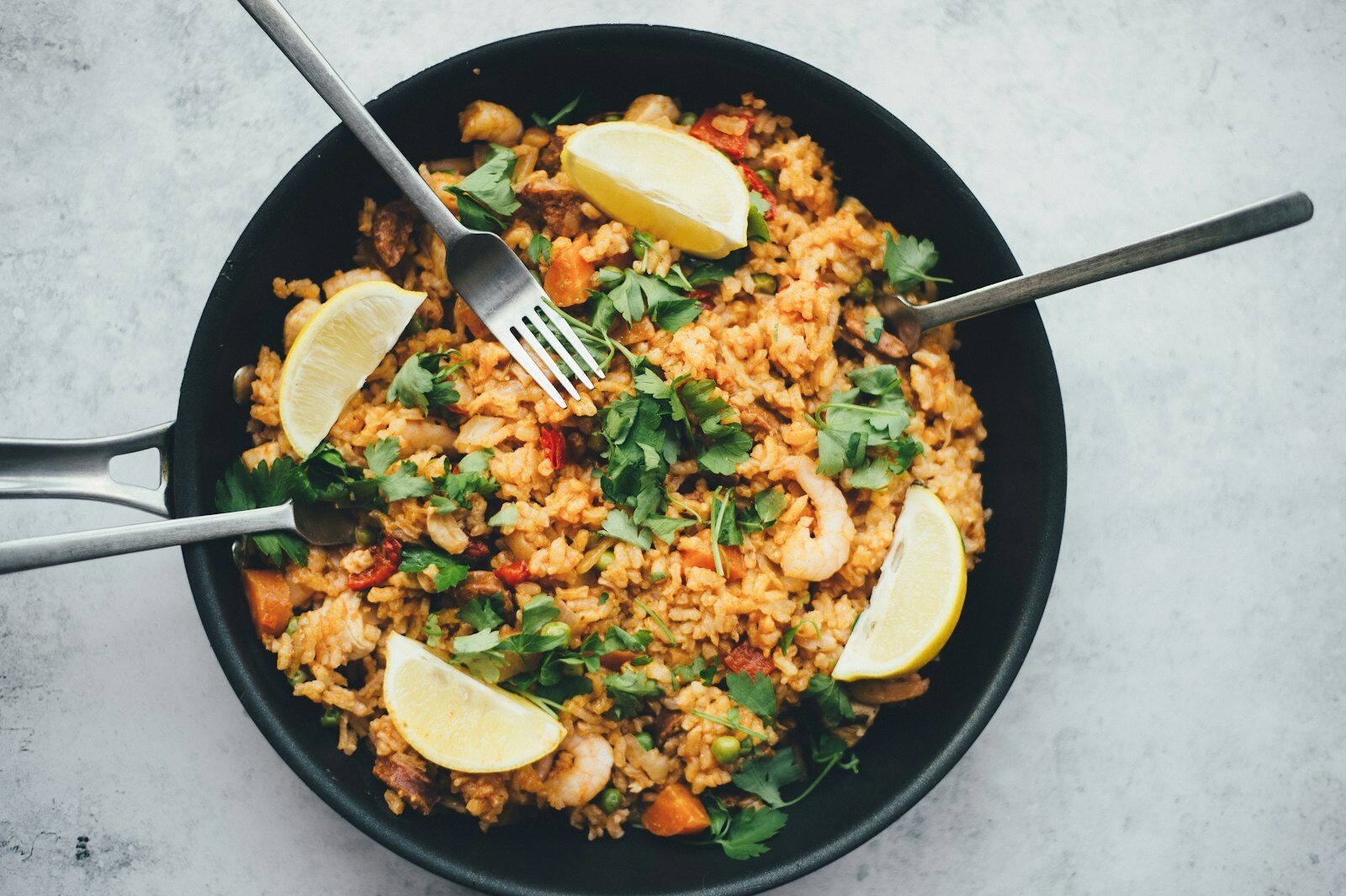
Open your cupboards and you are looking at money you already spent. The half-bag of rice, the tinned tomatoes, the lentils bought with great intentions in March — the average household shops around a pantry it never quite uses, then buys fresh ingredients for recipes that ignore all of it. By Thursday the fridge is a crime scene and the takeaway app is open.
Pantry-first cooking flips the order. Instead of choosing a recipe and shopping for it, you look at what you have and cook from there. It is faster, cheaper, and far less wasteful — and it is the founding idea behind CookTwo's Pantry AI Generation. Here's the method, whether you run it by hand or let the app do it.
Step one: the five-minute audit
Once a week, stand in front of your storage with your phone's notes app and write down what must die: the vegetables softening in the crisper, the opened grains, the proteins with two days left. Don't catalogue everything — just the ten or so things that will go to waste if nobody acts. This list is your menu constraint, and constraints are what make weeknight cooking fast.
Couples get a bonus here: two people auditing together catch twice as much. One of you knows the freezer, the other knows the spice rack. In CookTwo, both partners can see the same pantry, so whoever plans dinner sees what actually needs using.
Step two: anchor plus swaps
Every pantry meal needs an anchor — a grain, a noodle, eggs, bread, a tin of something solid — and then swaps that make it dinner for two different eaters. Rice plus whatever vegetables are fading plus two proteins (one plant, one not) is three different dinners depending on the sauce. Pasta plus the wilting greens plus cheese for one plate and white beans for the other is a Tuesday solved.
The two-plate lens matters here. A pantry meal that only suits one partner is a failure — you'll be back to parallel cooking. So the rule is: the anchor is shared, the finishes diverge. Same pan, different portions, both plates deliberate.
Step three: let the list write itself
Pantry-first doesn't mean never shopping — it means shopping only for the gaps. Once you've picked two or three pantry-anchored dinners, the missing bits (fresh herbs, one protein, the lime) become a tiny, precise list instead of a hopeful trolley-dash. This is exactly what Pantry AI Generation inside a Treatment plan does: suggestions from your bench first, then a shared list containing only what the week actually needs.
Try it tonight. Audit for five minutes, pick one anchor, cook it two ways. If the fridge looks calmer by Sunday, imagine what a whole planned week feels like — start CookTwo free and let the pantry lead.